


More than 75% of people in rural Uganda fail to wash their hands, contributing to preventable illnesses and nearly half of infant deaths caused by diarrhea.
Through sanitation, hygiene, and health education, communities are empowered to protect their health, keep children in school, and build stronger futures.

From Surviving, to Thriving
The Healthy Village Program combines sanitation infrastructure, hygiene education, spiritual care, and community engagement into one long-term, community-led model. Families learn healthy habits, schools gain access to handwashing resources, and local leaders are equipped to sustain change long after the program concludes.
How much does the Healthy Village Program cost?
Every community is unique, which means every Healthy Village Program is tailored to its specific needs. Program costs vary based on community size, school, church, and clinic participation, training requirements, and long-term sustainability goals. A gift of $10,000 or more qualifies you as a Healthy Village Program Sponsor, helping provide life-changing sanitation, hygiene, menstrual health, and community education. While some programs are fully funded by a single donor, many are made possible through the generosity of multiple sponsors working together to build healthier, stronger communities.
Our Solution is Sustainable
This work is designed for long-term sustainability, not short-term intervention. Wells of Life implements the Healthy Village Program over a 12-month period with continued follow-ups, assessments, and accountability systems that reinforce behavioral change over time.
Rather than simply providing resources and leaving, the program equips communities with the knowledge, leadership, and infrastructure needed to sustain healthier practices independently.
Local builders are trained to construct and maintain sanitation infrastructure, schools become centers for hygiene education, churches reinforce community care and healthy habits, and local health promoters continue education within households long after the formal program concludes. Families are encouraged to take ownership of their environment, creating a ripple effect that strengthens the entire community.
This community-led approach helps ensure that improvements in sanitation, hygiene, and health are not temporary, but become part of daily life for generations to come.

Program Breakdown
Investing in the Path to Wellness
From building toilets to making soap, from hygiene education to spiritual care, each part of the program works together to restore health, dignity, and opportunity. A full investment is $10,000, but now you can choose to support individual segments that speak to your heart.
.jpg)
Sanitation & Hygiene
We train builders to install latrines and handwashing stations, stock shops with affordable supplies, and equip schools with clean water tools. Families learn healthy habits, students gain skills that spark small businesses, and together we’re ending open defecation for good.
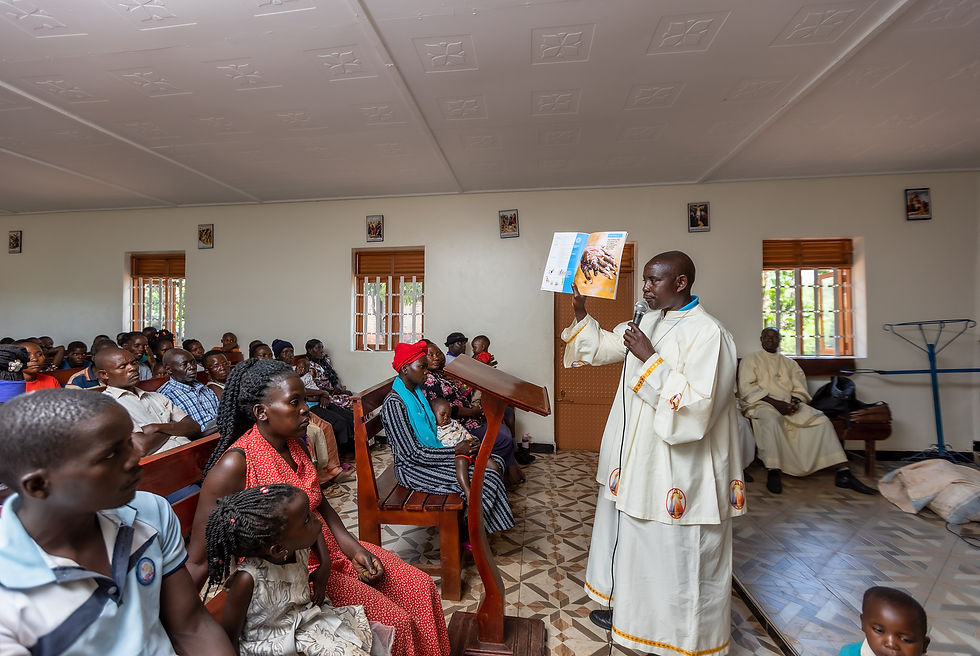
Spiritual Care & Community Engagement
Churches drive healing. Pastors weave WASH into ministry, while members rally to support vulnerable neighbors—building, sharing, and ensuring no one is left behind. The result: a united community that uplifts its most at-risk.
.jpg)
Media & Radio Outreach
In rural Uganda, radio is the most powerful classroom. Daily skits and hygiene messages in local languages, plus monthly call-in shows with health leaders and Miss Uganda, turn every radio into a megaphone for better health.
.jpg)
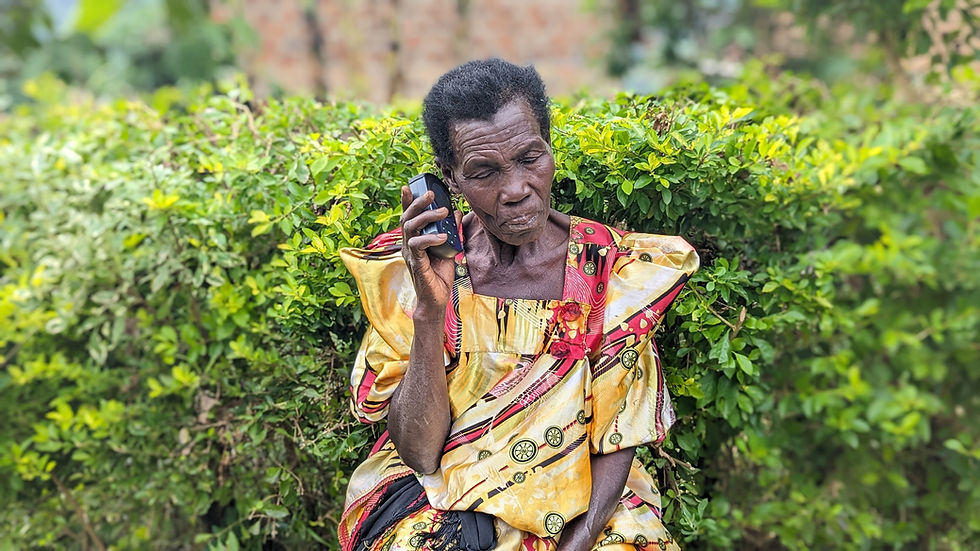
Audio Bibles
With literacy at just 30%, solar-powered audio Bibles make Scripture accessible to all. Pastors bring God’s Word into homes in local languages, offering encouragement and dignity—especially for elders who never had the chance to learn to read.
.jpg)
Miss Uganda & Menstrual Health Education
Menstrual hygiene is a community conversation. With support from Miss Uganda, girls learn to make reusable pads and care for themselves confidently, while boys join in to end stigma and bullying. These joyful sessions spark lasting change in equality and self-worth.
%20(1).jpg)
Rainwater Harvesting & Handwashing Stations
Where wells are scarce, we install large rainwater harvesting tanks on schools and community buildings. With upgraded roofs and gutters, these systems provide reliable, low-maintenance water year-round—keeping hands clean and illness away.

Sports & Hygiene Education
Kids learn best through play. With obstacle courses, team drills, and games, children discover the importance of hygiene while having fun—lessons and laughter that last long after the field.

Be Part of What Comes Next
A full Healthy Village Program investment is $10,000, but each segment represents an opportunity to create meaningful and lasting impact. Whether you choose to fund an entire program or support a specific area of transformation, your generosity helps communities move from survival to sustainability.
Stories of your impact
The Healthy Village Program creates change that reaches far beyond infrastructure. Through hygiene education, practical skills, and community-led solutions, families are building healthier habits that create lasting impact for generations to come.


